

Can Loan Modification Really Stop Foreclosure and Save Your Tampa Home?
Yes, a loan modification can stop foreclosure and save your Tampa home by permanently changing your mortgage terms to make payments affordable. This option is most effective when you act early, before your case reaches a final judgment. Foreclosure Guard offers a free, no-obligation phone consultation in the Tampa, FL area to help you understand if this path fits your situation. We are not a law firm, not a government agency, and not affiliated with any lender or servicer. We give no legal or tax advice and never sell your personal information.
What Is a Loan Modification?
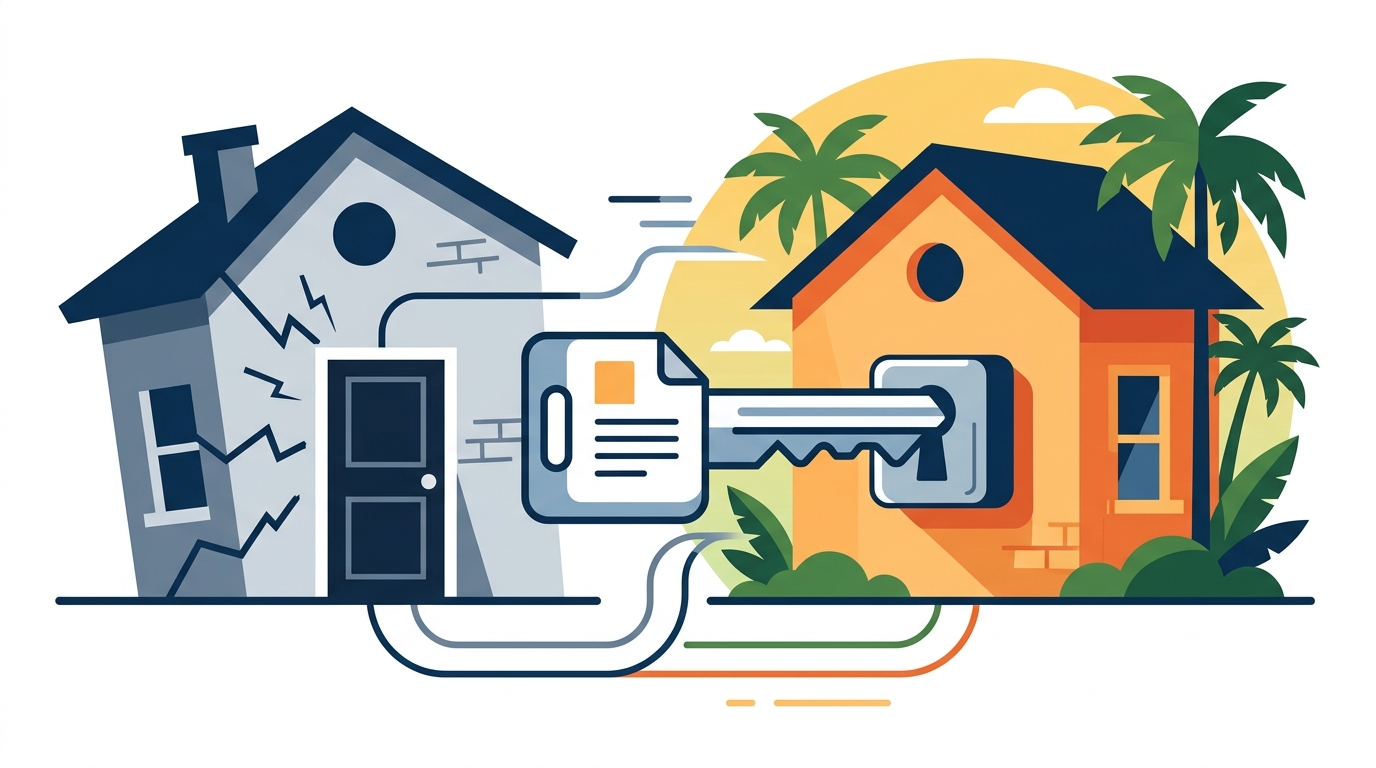
A loan modification is a permanent change to the terms of your existing mortgage loan. It is designed to make your monthly payment more affordable based on your current income and expenses. Unlike a temporary forbearance, a modification alters the loan itself, which can prevent the lender from proceeding with a judicial foreclosure in Florida.
In Florida, which is a judicial foreclosure state, lenders must file a lawsuit in circuit court to take your home. A successful modification can resolve the underlying financial hardship that triggered the default. This resolution often leads to the dismissal of the foreclosure case. The goal is to keep you in your home while aligning the loan with your financial reality.
How It Stops Foreclosure in Florida
Loan modification stops foreclosure by addressing the root cause of the default: an unaffordable payment. When you submit a complete application for loss mitigation, federal rules provide specific protections. Under federal guidelines, a mortgage servicer generally cannot make the first foreclosure filing until you are more than 120 days behind on payments. This window is critical for negotiating a modification.
If you are already in the lawsuit phase, you can still pursue a modification. However, the timeline becomes tighter. You generally have 20 days after being served with a summons and complaint to file a written response with the court. Missing this deadline can lead to a default judgment. Acting quickly allows you to present your modification application to the court and the lender simultaneously.
Eligibility Factors for Tampa Homeowners
Eligibility for a loan modification depends on your specific loan type, income, and equity position. Most conventional and government-backed loans offer modification programs, but the rules vary. You must demonstrate a current financial hardship that is likely to be long-term. Examples include job loss, reduced hours, or a significant increase in living expenses.
Your ability to make the modified payment is the core test. Lenders will review your income, assets, and debts to ensure the new payment is sustainable. If you have significant equity, a modification may be less likely, as the lender might prefer a short sale. If you have little to no equity, a modification is often the primary option to save the home. Foreclosure Guard can help you review these factors during a free consultation.
Scam Red Flags to Avoid
Foreclosure rescue scams are common in Tampa and across Florida. Be wary of any company that asks for a large upfront fee before doing any work. Legitimate loan modification services do not charge you to apply. They may charge a fee only after the modification is approved, and even then, it should be reasonable and disclosed in writing.
Never sign over your deed or sign documents you do not understand without having an attorney review them. Do not pay your mortgage to a third party; always pay your lender directly. Foreclosure Guard does not ask for upfront fees, does not ask you to sign over your deed, and does not guarantee that we can stop foreclosure. We provide information and guidance, but we are not a law firm and do not give legal advice.
Free Resources and Next Steps
You have access to free, official resources to help with your loan modification. HUD-approved housing counselors provide free counseling to help you understand your options. You can find a counselor near you by calling 800-569-4287. The Consumer Financial Protection Bureau also offers tools and guidance on loss mitigation options. You can search for HUD-approved counselors by ZIP code at consumerfinance.gov.
If you have been served with foreclosure lawsuit papers, talk to a licensed attorney as soon as possible. Bay Area Legal Services offers free civil legal help, including foreclosure, for eligible low-income residents of Hillsborough, Pasco, Pinellas, Manatee, and Sarasota counties. You can reach them at 800-625-2257. The Florida Bar Lawyer Referral Service can connect you with a private attorney statewide at 800-342-8011. For a free, confidential consultation to discuss your specific situation, contact Foreclosure Guard at 786-686-6765.
Key Takeaways
- A loan modification is a permanent change to your mortgage terms designed to make payments affordable.
- It can stop foreclosure by resolving the financial hardship that caused the default.
- Acting early, before the 120-day mark, gives you the strongest protections under federal rules.
- Eligibility depends on your income, equity, and the nature of your hardship.
- Avoid scams by never paying upfront fees or signing over your deed.
- Free help is available from HUD-approved counselors and legal aid organizations.
- Foreclosure Guard offers free, no-obligation consultations but is not a law firm.
Frequently Asked Questions
Does a loan modification affect my credit score?
A loan modification itself does not typically lower your credit score, but the missed payments that led to the default will. Once the modification is in place and you make payments on time, your credit can begin to recover. The impact depends on your full credit history and how the account is reported.
How long does the loan modification process take?
The process can take several weeks to a few months. It depends on how quickly you submit a complete application and how fast the lender reviews it. Acting early in the delinquency period usually leads to faster resolution.
Can I get a loan modification if I am already in foreclosure?
Yes, you can still pursue a loan modification after a foreclosure lawsuit has been filed. However, the timeline is tighter, and you must respond to the court papers within the required deadline. It is important to act immediately.
What documents do I need for a loan modification?
You typically need recent mortgage statements, proof of income (pay stubs, benefit letters), a list of monthly expenses, and a written explanation of your hardship. Gathering these documents early helps speed up the process.
Is Foreclosure Guard a law firm?
No, Foreclosure Guard is not a law firm and does not give legal or tax advice. We are not a government agency and are not affiliated with your lender or mortgage servicer. For legal advice, speak with a licensed Florida attorney.
How much does a loan modification cost?
Many loan modification programs are free to apply for. Some third-party services may charge a fee after approval, but you should never pay a large upfront fee. Be cautious of any company that asks for money before doing work.
Conclusion
A loan modification is a powerful tool that can stop foreclosure and save your Tampa home. It works by making your mortgage payment affordable based on your current financial situation. Acting early is key to maximizing your options and protecting your rights. Foreclosure Guard is here to help you understand your path forward with a free, confidential consultation. We are not a law firm, not a government agency, and not affiliated with any lender. We give no legal or tax advice and never sell your personal information. To plan your next step, at 786-686-6765.