

What to Bring to Your First Foreclosure Consultation in Tampa
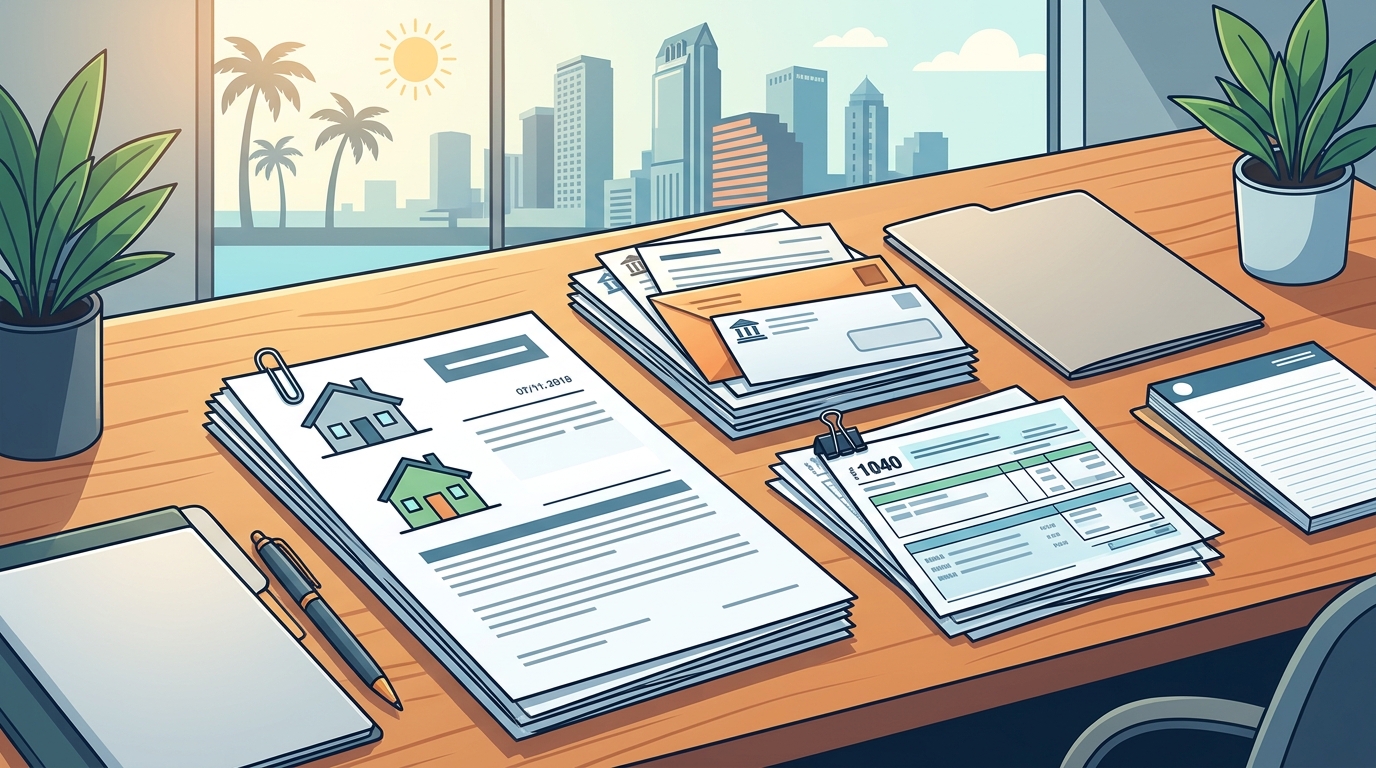
Bring your most recent mortgage statement, all letters from your lender, and proof of your current income. These three items allow a counselor or attorney to immediately identify your deadlines and available options. Foreclosure Guard offers a free, no-obligation phone consultation in the Tampa, FL area to help you organize these documents. We are not a law firm, not a government agency, and not affiliated with any lender or servicer. We do not give legal or tax advice, and we never sell your personal information.
Essential Documents to Prepare
The most critical item is your most recent mortgage statement. This document shows your current balance, payment history, and any fees assessed by the servicer. It is the baseline for calculating how much you are behind. Without it, any advice on catching up or modifying the loan is a guess.
Next, gather every letter you have received from your lender or servicer. This includes notices of default, breach letters, and any correspondence regarding loss mitigation. In Florida, the timing of these letters determines your legal deadlines. For example, if you were served with a foreclosure lawsuit, you generally have 20 days to file a written response with the court. Missing this deadline can lead to a default judgment. You can check your specific stage using the Foreclosure Timeline Checker to see where you stand in the process.
Finally, bring proof of your current income. This includes recent pay stubs, benefit letters, or bank statements. Lenders require this information to determine if you qualify for a loan modification or forbearance agreement. If your income has changed recently, bring documents showing both your old and new income levels to demonstrate the hardship clearly.
Understanding Your Financial Picture
Lenders and counselors need to see your full financial health, not just your mortgage. Prepare a simple list of your monthly living expenses, including utilities, food, transportation, and insurance. This helps determine if a loan modification is realistic. If your total monthly expenses exceed your income, a modification may not be possible, and other options like a short sale might be more appropriate.
You can use the Free Mortgage Budget Calculator to organize these numbers before your call. The tool calculates your debt-to-income ratio and shows how much you have left over each month. This data is crucial because it shows the lender that you are making a good-faith effort to manage your finances. It also helps you understand what you can realistically afford if you stay in the home.
Include a list of all your other debts, such as credit cards, auto loans, and student loans. Lenders look at your total debt load when deciding whether to approve a modification. If you have high-interest debts, a counselor can help you prioritize payments to protect your credit score while you work on the mortgage issue.
Explaining Your Hardship Clearly
A written explanation of your hardship is a required part of most loss mitigation applications. This is not just a formality; it is the narrative that convinces the lender to work with you. Write a short, honest letter explaining what happened. Did you lose your job? Did a medical emergency drain your savings? Did a divorce reduce your household income? Be specific about dates and amounts.
For example, if you lost your job in March 2026, state that clearly. Mention any steps you have already taken to find new work or reduce expenses. Lenders are more likely to approve help if they see that you are proactive and willing to make sacrifices. This letter should be concise, typically one page, and should avoid emotional language in favor of facts.
If you are unsure how to write this letter, a Budget Planning Worksheet can help you organize your thoughts. It includes a checklist of documents to gather and a space to outline your situation. This preparation ensures that your consultation is productive and that you do not waste time explaining basic details.
Protecting Yourself from Scams
When you are in financial distress, you are a target for foreclosure rescue scams. Be wary of anyone who asks for a large upfront fee before doing any work. Legitimate counselors and attorneys do not require large payments before they begin helping you. If a company promises to "guarantee" that they will stop your foreclosure, walk away. No one can guarantee the outcome of a legal process.
Never sign over your deed to a third party. This is a common tactic used by scammers to take ownership of your home. You should only sign documents that you fully understand, and you should have an attorney review them before signing. If someone asks you to pay your mortgage to them instead of your lender, do not do it. This is a major red flag for fraud.
Foreclosure Guard does not ask for upfront fees, does not ask you to sign over your deed, and does not guarantee outcomes. We provide free, confidential guidance to help you understand your options. If you are unsure about a third-party offer, verify the company through your actual servicer or report the fraud to the Consumer Financial Protection Bureau.
Free and Low-Cost Resources
You do not have to navigate this process alone. There are several free and low-cost resources available to Florida homeowners. HUD-approved housing counselors provide free counseling to help you understand your options. You can find a counselor near you by calling 800-569-4287. These counselors are trained to help you prepare the documents discussed in this article.
If you have been served with a foreclosure lawsuit, you should speak with a licensed attorney as soon as possible. Bay Area Legal Services offers free civil legal help, including foreclosure, for eligible low-income residents of Hillsborough, Pasco, Pinellas, Manatee, and Sarasota counties. You can reach them at 800-625-2257. For those who do not qualify for legal aid, the Florida Bar Lawyer Referral Service can connect you with a private attorney for a consultation.
These resources, along with Foreclosure Guard, provide a safety net for homeowners. By using them in combination, you can ensure that you have all the information you need to make an informed decision. The goal is to protect your home and your financial future, not to rush into a decision you might regret.
Key Takeaways
- Bring your most recent mortgage statement to establish your current balance and payment history.
- Gather all letters from your lender, including notices of default and breach letters, to track your deadlines.
- Prepare proof of your current income, such as pay stubs or benefit letters, to demonstrate your financial situation.
- Use a budget calculator to organize your monthly expenses and debts before your consultation.
- Write a clear, factual explanation of your hardship to include in your loss mitigation application.
- Be cautious of scams that ask for upfront fees, deed transfers, or mortgage payments to third parties.
- Utilize free resources like HUD-approved counselors and legal aid services to get professional help.
Frequently Asked Questions
What is the most important document to bring to a foreclosure consultation?
The most important document is your most recent mortgage statement. It shows your current balance, payment history, and any fees, which are essential for calculating how much you are behind and what options are available.
Do I need to bring my tax returns to a foreclosure consultation?
You do not always need to bring your tax returns, but they can be helpful if you are applying for a loan modification. Lenders may request them to verify your income. If you have them available, bring the most recent two years of returns.
Can I use a budget calculator to prepare for my meeting?
Yes, using a budget calculator is a great way to prepare. It helps you organize your income, expenses, and debts, giving you a clear picture of your financial situation. This information is crucial for determining if a loan modification is feasible.
What should I do if I receive a foreclosure lawsuit?
If you receive a foreclosure lawsuit, you generally have 20 days to file a written response with the court. You should speak with a licensed attorney immediately to protect your rights. Missing this deadline can lead to a default judgment.
Is it safe to work with a foreclosure prevention company?
It can be safe if you choose a reputable company. Look for companies that do not ask for large upfront fees, do not ask you to sign over your deed, and do not guarantee outcomes. Foreclosure Guard offers free, confidential consultations and does not engage in these practices.
Where can I find free legal help for foreclosure in Tampa?
You can find free legal help through Bay Area Legal Services, which serves Hillsborough, Pasco, Pinellas, Manatee, and Sarasota counties. You can also use the Florida Bar Lawyer Referral Service to find a private attorney for a consultation.
Next Steps for Tampa Homeowners
Preparing for your first consultation is a critical step in protecting your home. By gathering the right documents and understanding your financial situation, you can make the most of your time with a counselor or attorney. Remember that you have options, and acting early gives you the best chance of keeping your home. Foreclosure Guard is here to help you navigate this process with clarity and confidence. To get started, request a free consultation today.