

Choosing the right provider is the single most important step to stop foreclosure in Tampa. The best provider depends on your specific legal stage, income level, and whether you need immediate legal representation or financial restructuring. This guide compares foreclosure defense attorneys, loan modification negotiators, legal aid organizations, and government programs. It helps you match your situation to the correct type of professional.
Foreclosure Defense Attorneys
Foreclosure defense attorneys are licensed legal professionals who represent homeowners in court to challenge or delay the foreclosure process. In Florida, which uses a judicial foreclosure system, the lender must file a lawsuit to take your home. This legal requirement creates a window of opportunity for homeowners to respond. An attorney can file an answer to the complaint, request a stay, or negotiate directly with the lender's legal team.
The role of a defense attorney is distinct from a financial counselor. Attorneys focus on the legal validity of the loan, the proper service of process, and the enforcement of state laws. They can identify defects in the foreclosure paperwork that may delay the sale. However, legal representation comes with a cost. Most private attorneys charge hourly rates or flat fees for specific services. You must evaluate whether you have the funds to retain counsel before the final judgment is entered.
When to Hire an Attorney
You should consider hiring an attorney if you have been served with a summons and complaint. Florida law generally gives you 20 days to respond to a foreclosure lawsuit. Missing this deadline can result in a default judgment, which sets a sale date. An attorney can also help if you believe the lender made errors in calculating the amount owed. They can negotiate a reinstatement or a short sale while protecting your legal rights in court.
Cost and Availability
Legal fees vary widely. Some attorneys offer free initial consultations to assess the case. Others require a retainer fee before beginning work. It is important to ask about the total cost of representation and what services are included. If you cannot afford a private attorney, you may qualify for legal aid, which is covered in a later section.
Loan Modification Negotiation
Loan modification negotiation is the process of working with your mortgage servicer to permanently change the terms of your loan. The goal is to make the monthly payment affordable so you can keep your home. This is a financial strategy, not a legal one. It requires a detailed analysis of your income, expenses, and debt. A successful modification can stop a foreclosure before it reaches the court stage.
There are several types of modifications. A standard modification adjusts the interest rate or extends the loan term. A forbearance agreement allows you to pause or reduce payments for a short period. A repayment plan lets you catch up on missed payments over time. Each option has different requirements. Your servicer will ask for a loss mitigation application, which includes proof of income, tax returns, and a hardship letter.
The Role of a Negotiator
A loan modification negotiator is a professional who prepares and submits the loss mitigation application on your behalf. They organize your financial documents and communicate with the servicer. They do not provide legal advice. Their expertise is in understanding the servicer's guidelines and presenting your case in the best possible light. If you are more than 120 days behind, federal rules generally prevent the servicer from filing for foreclosure until they have reviewed your application. This gives you time to negotiate.
Success Factors
Success depends on your financial situation. You must show that you have a stable income and that the modified payment is affordable. If you have significant equity, a modification may be less likely. If you have no equity, a short sale or deed in lieu of foreclosure might be a better option. A negotiator can help you understand which path is most viable. They can also help you avoid scams by ensuring you are working with a legitimate company.
Legal Aid Organizations
Legal aid organizations are nonprofit groups that provide free or low-cost legal services to eligible low-income individuals. In the Tampa Bay area, several organizations offer foreclosure defense services. These organizations have attorneys who can represent you in court. They are a critical resource for homeowners who cannot afford private counsel. Eligibility is usually based on income and assets.
Bay Area Legal Services is a major provider in the region. They serve Hillsborough, Pasco, Pinellas, Manatee, and Sarasota counties. Their legal aid line is 800-625-2257. They offer free civil legal help, including foreclosure, for eligible residents. Another resource is the Florida Senior Legal Helpline for residents age 60 and older. The Florida Veterans Legal Helpline serves eligible veterans. These organizations have limited capacity, so it is important to contact them as soon as possible.
Eligibility and Application
To qualify for legal aid, you must meet specific income guidelines. These guidelines are often based on the federal poverty level. You will need to provide proof of income, such as pay stubs or benefit letters. You may also need to provide information about your assets. The application process can take time. If you are facing an imminent sale date, you should contact legal aid immediately. They may be able to provide emergency assistance.
Limits of Legal Aid
Legal aid organizations focus on legal issues. They do not typically provide financial counseling or loan modification negotiation. If your case requires both legal defense and financial restructuring, you may need to work with multiple providers. A legal aid attorney can refer you to a HUD-approved housing counselor for financial advice. This combination of services can provide a comprehensive approach to stopping foreclosure.
Government Assistance Programs
Government assistance programs are federal, state, or local initiatives designed to help homeowners avoid foreclosure. These programs provide financial assistance, counseling, or legal resources. The most well-known program is the Home Affordable Modification Program (HAMP), though its availability has changed over time. Current programs vary by location and lender. The U.S. Department of Housing and Urban Development (HUD) is a key resource for finding these programs.
HUD-approved housing counselors provide free or low-cost counseling. They can help you understand your options, including loan modifications, short sales, and deed in lieu of foreclosure. They can also help you create a budget and plan for the future. The HUD housing counseling line is 800-569-4287. You can also search for a counselor by ZIP code on the Consumer Financial Protection Bureau website. These counselors are not attorneys, but they are trained to help you navigate the foreclosure process.
State and Local Programs
How to Access Programs
Accessing government programs often requires documentation. You will need to provide proof of income, hardship, and mortgage status. A HUD-approved counselor can help you gather these documents and apply for programs. They can also help you understand the terms of any assistance you receive. Some programs require you to complete a financial management course. Others require you to make a certain number of payments on time. It is important to understand all the requirements before accepting assistance.
Provider Comparison Table
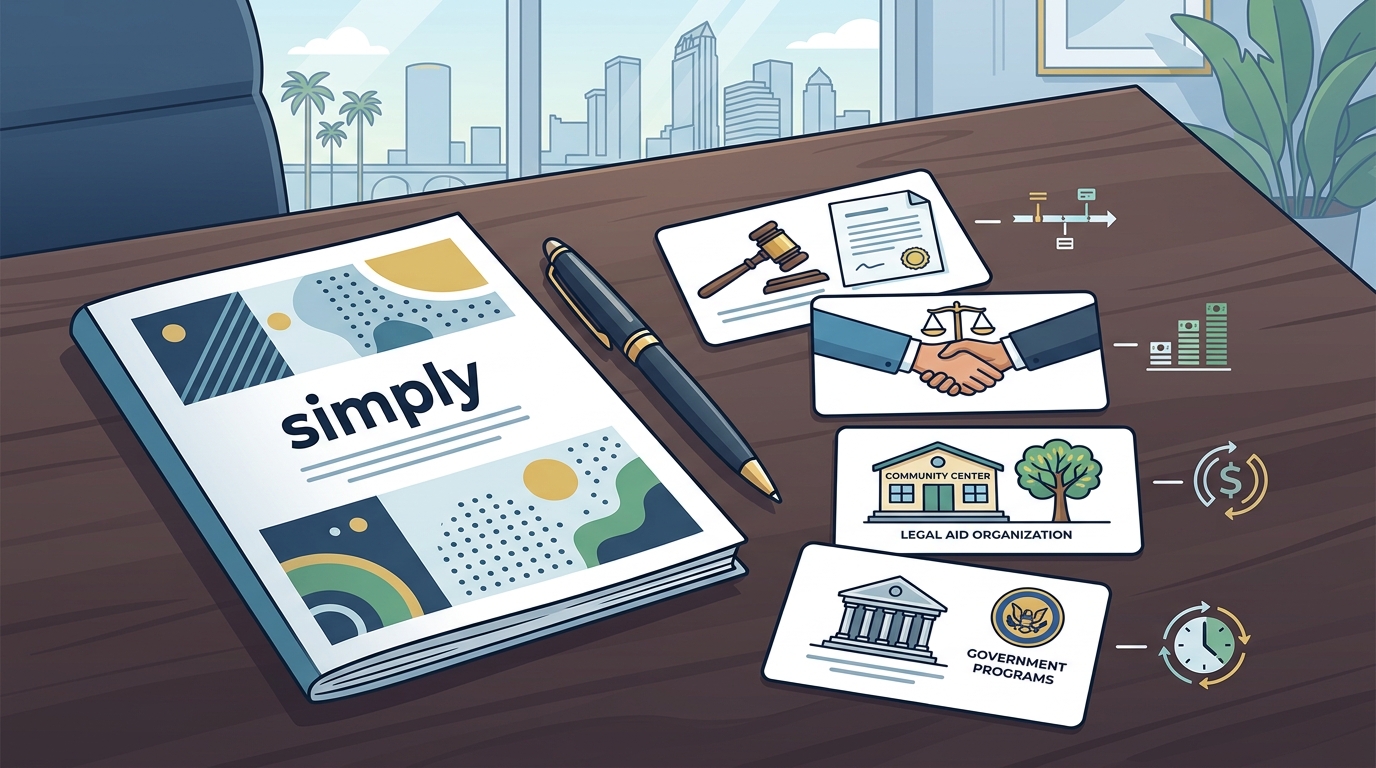
The following table summarizes the key differences between the four types of providers. Use this table to identify which provider is best for your specific situation.
| Provider Type | Primary Role | Cost | Best For | Limitations |
|---|---|---|---|---|
| Foreclosure Defense Attorney | Legal representation in court | Hourly or flat fee | Challenging legal defects, negotiating with lender's counsel | Cost, does not provide financial counseling |
| Loan Modification Negotiator | Financial restructuring with servicer | Flat fee or hourly | Modifying loan terms, preparing loss mitigation application | No legal authority, cannot represent in court |
| Legal Aid Organization | Free or low-cost legal services | Free or low-cost | Low-income homeowners needing legal defense | Limited capacity, income eligibility requirements |
| Government Assistance Program | Financial and counseling support | Free or low-cost | Accessing grants, counseling, and legal resources | Program availability varies, strict eligibility rules |
Key Takeaways
- The best provider depends on your legal stage and financial situation.
- Foreclosure defense attorneys are essential if you have been served with a lawsuit.
- Loan modification negotiators help you restructure your loan to make payments affordable.
- Legal aid organizations provide free legal services to eligible low-income homeowners.
- Government programs offer financial assistance and counseling through HUD-approved counselors.
- Acting early is critical. The sooner you seek help, the more options you have.
- You may need to work with multiple providers to address both legal and financial issues.
- Always verify the credentials and reputation of any provider you hire.
Frequently Asked Questions
What is the first step to stop foreclosure in Tampa?
The first step is to contact your mortgage servicer and ask for a loss mitigation application. You should also consider contacting a HUD-approved housing counselor or a foreclosure defense attorney. Acting early gives you the most options.
Can I stop foreclosure without hiring an attorney?
Yes, if you are not yet in court. You can work with a loan modification negotiator or a HUD-approved counselor to restructure your loan. However, if you have been served with a lawsuit, you should consult an attorney immediately.
How much does a foreclosure defense attorney cost in Tampa?
Costs vary. Some attorneys charge hourly rates, while others charge flat fees for specific services. It is important to discuss fees during the initial consultation. If you cannot afford a private attorney, you may qualify for legal aid.
What is a loan modification?
A loan modification is a permanent change to the terms of your mortgage loan. It can include a lower interest rate, a longer loan term, or a reduced monthly payment. The goal is to make the payment affordable so you can keep your home.
How do I qualify for legal aid in Tampa?
Eligibility is usually based on income and assets. You must meet specific guidelines, often based on the federal poverty level. You will need to provide proof of income and assets. Contact a local legal aid organization to determine your eligibility.
What government programs are available to help with foreclosure?
HUD-approved housing counselors can help you find available programs. These programs may include grants for mortgage arrears, legal aid, or financial counseling. The availability of programs varies by location and lender.
Can I use a loan modification negotiator and an attorney at the same time?
Yes, and it is often recommended. A negotiator can handle the financial restructuring with your servicer, while an attorney can handle any legal issues in court. This combination provides a comprehensive approach to stopping foreclosure.
What should I avoid when looking for foreclosure help?
Avoid companies that ask for large upfront fees before doing any work. Never sign over your deed or sign documents you do not understand. Always get promises in writing and verify the provider's credentials.
Conclusion
Stopping foreclosure in Tampa requires a strategic approach. The best provider for your situation depends on your legal stage, income, and financial goals. Foreclosure defense attorneys, loan modification negotiators, legal aid organizations, and government programs each play a distinct role. By understanding these roles, you can build a team of professionals to help you keep your home. Foreclosure Guard is a helpful resource for Tampa homeowners. They offer free, confidential consultations to help you understand your options. To plan your next step, contact Foreclosure Guard for a free assessment.