

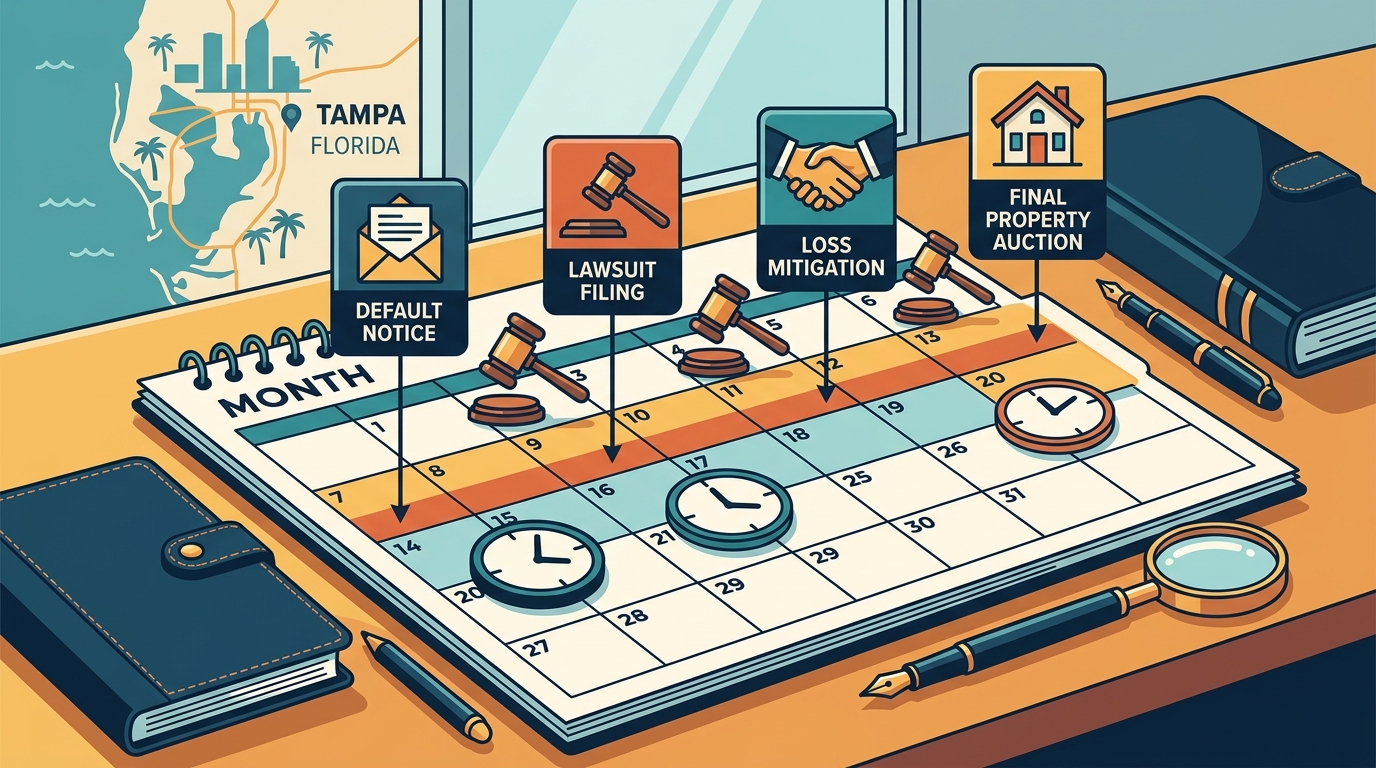
Distressed homeowners should seek legal advice immediately upon receiving a default notice or lawsuit papers, and again at every major milestone in the foreclosure timeline. Foreclosure Guard in Tampa, Florida, helps homeowners understand these critical windows. This guide covers loss mitigation, deficiency judgments, notice triggers, response strategies, and financial intervention to protect your property.
Loss Mitigation Options
Loss mitigation is the process of working with your lender to modify loan terms to prevent foreclosure. Homeowners should consult a professional before submitting any application to ensure they are choosing the option that best fits their long-term financial health. The most common options include loan modifications, forbearance agreements, and repayment plans.
Loan Modifications
A loan modification is a permanent change to your mortgage terms, such as a lower interest rate or extended loan term. This option is ideal if you have a stable income but the current payment is unaffordable. Lenders are generally required to consider these applications under federal rules, but the process requires detailed documentation of your income and expenses.
Forbearance and Repayment Plans
Forbearance is a temporary pause or reduction in payments during a short-term hardship. A repayment plan allows you to catch up on missed payments over several months on top of your regular payment. These are often better for credit than a completed foreclosure, but they require you to have the ability to pay the arrears later.
When to Seek Advice
You should seek advice as soon as you miss a payment. Federal rules generally prevent servicers from filing for foreclosure until you are more than 120 days behind. Acting early gives you the strongest protections and more options. Foreclosure Guard can help you review which of these three paths fits your specific situation.
Deficiency Judgments
A deficiency judgment is a court order for the borrower to pay the difference between the foreclosure sale price and the total amount owed on the loan. In Florida, deficiency judgments are a significant risk for homeowners who do not understand their rights. If your home sells for less than you owe, the lender may sue you for the remaining balance.
Understanding the Risk
Deficiency judgments can follow you for years and affect your ability to get future credit. Some loans, particularly those with certain types of insurance or government backing, may waive this right, but not all. You need to know if your specific loan agreement allows the lender to pursue this debt.
Protecting Yourself
Legal advice is critical before you agree to a short sale or deed in lieu of foreclosure. These alternatives often require the lender to waive the right to a deficiency judgment. If you do not get this waiver in writing, you could still be liable for the debt after you give up your home. Our Florida Foreclosure Guide explains how these financial liabilities work in the state.
Foreclosure Notice Triggers
Foreclosure notice triggers are specific events or documents that signal the start of the legal process. The first trigger is usually a late fee and a demand letter from your servicer. The second major trigger is the filing of a lawsuit in circuit court. Understanding these triggers helps you know exactly when to escalate your response.
The Default Letter
Most mortgages require the lender to send a written notice before accelerating the loan. This letter usually states how much you owe to catch up and gives a deadline, often at least 30 days. This is your first major opportunity to stop the process. You should write down the date you received it and the deadline immediately.
The 120-Day Rule
Under federal rules, a servicer generally cannot make the first foreclosure filing until you are more than 120 days behind on payments. This window is crucial. If you are within this period, you have more time to negotiate. If you are past it, the clock is ticking much faster. Use our Timeline Checker to see where you stand in this process.
Foreclosure Notice Response
Foreclosure notice response refers to the legal actions you must take after being served with lawsuit papers. In Florida, which is a judicial foreclosure state, you generally have 20 days after being served to file a written response with the court. Missing this deadline can lead to a default judgment, which is often difficult to overturn.
Why You Must Respond
Responding to the lawsuit does not necessarily mean you will win, but it buys you time. It forces the lender to prove their case and keeps your options open. It also allows you to raise defenses that might delay the sale. If you do not respond, the court can enter a final judgment and set a sale date without your input.
Mediation and Case Management
Many Florida courts offer foreclosure mediation or case management programs. These programs can help you reach an agreement with the lender before a final judgment is entered. You should ask the court clerk or your attorney about these programs as soon as you are served. Understanding Foreclosure in Florida details these court programs and your rights.
Financial Distress Intervention
Financial distress intervention is the process of stabilizing your household budget to prevent future defaults. Foreclosure is often the result of a life event, such as job loss or medical hardship, rather than a single bad decision. Intervening early in your financial life can stop the cycle of delinquency before it reaches the point of no return.
Budgeting and Cash Flow
You need a clear picture of your monthly income and expenses. A budget is a plan for your money that ensures you can cover your housing costs. If your debt-to-income ratio is too high, you may need to reduce other expenses or seek additional assistance. Our Budget Calculator helps you see what you can afford each month.
Connecting to Resources
Free HUD-approved housing counselors can help you understand your options and connect you to local assistance programs. These counselors are a valuable resource for building a sustainable budget. They can also help you prepare the documentation needed for loss mitigation applications. Visit our Resources Hub for a list of free legal and housing help in the Tampa Bay area.
Key Takeaways
- Seek legal advice immediately upon receiving a default notice or lawsuit papers.
- Florida is a judicial foreclosure state, meaning the process goes through the courts.
- You generally have 20 days to respond to a foreclosure lawsuit in Florida.
- Federal rules prevent foreclosure filings until you are more than 120 days behind.
- Deficiency judgments can hold you liable for the debt after a foreclosure sale.
- Loss mitigation options like loan modifications can make your payment affordable.
- Acting early preserves your options and protects your credit score.
- Free HUD-approved counselors are available to help with budgeting and planning.
Frequently Asked Questions
How many times should I call my lawyer during foreclosure?
You should contact your legal advisor at every major milestone: when you receive a default letter, when you are served with lawsuit papers, and when a sale date is set. Regular check-ins ensure you are not missing any deadlines.
What happens if I ignore the foreclosure lawsuit?
If you ignore the lawsuit, the lender can get a default judgment. This leads to a final judgment and a sale date with no opportunity for you to negotiate or defend your case in court.
Can I stop foreclosure after the sale date is set?
Yes, but your options narrow quickly. You may still be able to reinstate the loan, sell the home, or reach an agreement with the lender before the auction. You must act immediately.
What is a deficiency judgment in Florida?
A deficiency judgment is a court order for you to pay the difference between the sale price and the amount you owed. It is a risk you face if you do not get a waiver from the lender.
Is it too late to seek help if I am 150 days behind?
It is not too late, but you are in a more urgent situation. Since you are past the 120-day mark, the lender can file for foreclosure. You need to act fast to negotiate or respond to the lawsuit.
Do I need a lawyer if I am just behind on payments?
You do not necessarily need a lawyer for the first few months of delinquency, but you should consult one before the 120-day mark. Early advice can help you choose the right loss mitigation option.
Conclusion
Knowing when to seek legal advice is the single most important factor in protecting your home. The foreclosure process in Florida has strict deadlines that, if missed, can lead to the loss of your property. Foreclosure Guard is here to help you navigate these critical moments with clarity and confidence. We provide free, confidential consultations to help you understand your options and make informed decisions. Contact us today to take the first step toward protecting your home.